What Qualifies as an Anti-Theft Device
You installed an aftermarket alarm or your car came with a factory immobilizer, and now you are wondering if it cuts your premium. The answer depends less on whether the device works and more on how the carrier categorizes it. Insurers tier anti-theft discounts by device type: passive systems that arm themselves when you remove the key earn recognition across most carriers, while active alarms you arm manually qualify less consistently, especially in the nonstandard and budget tiers where many cost-conscious drivers shop.
The structural blocker: most drivers assume any alarm qualifies, quote with that expectation, then discover at bind that the carrier does not recognize their specific device or requires documentation they do not have. The discount exists, but the path to claiming it is narrower than the marketing suggests.
Compare car insurance rates in your state
Get quotes from licensed carriers — no obligation, no spam, results in minutes.
Get Your Free QuoteCarriers Writing Budget Tier
34
The national carrier roster includes 34 insurers verified to write nonstandard and budget-tier policies. Anti-theft discount availability and device-category rules vary by carrier; confirm directly during quoting.
NAIC carrier market-tier data, 2023
Passive vs Active: The Category That Determines Eligibility
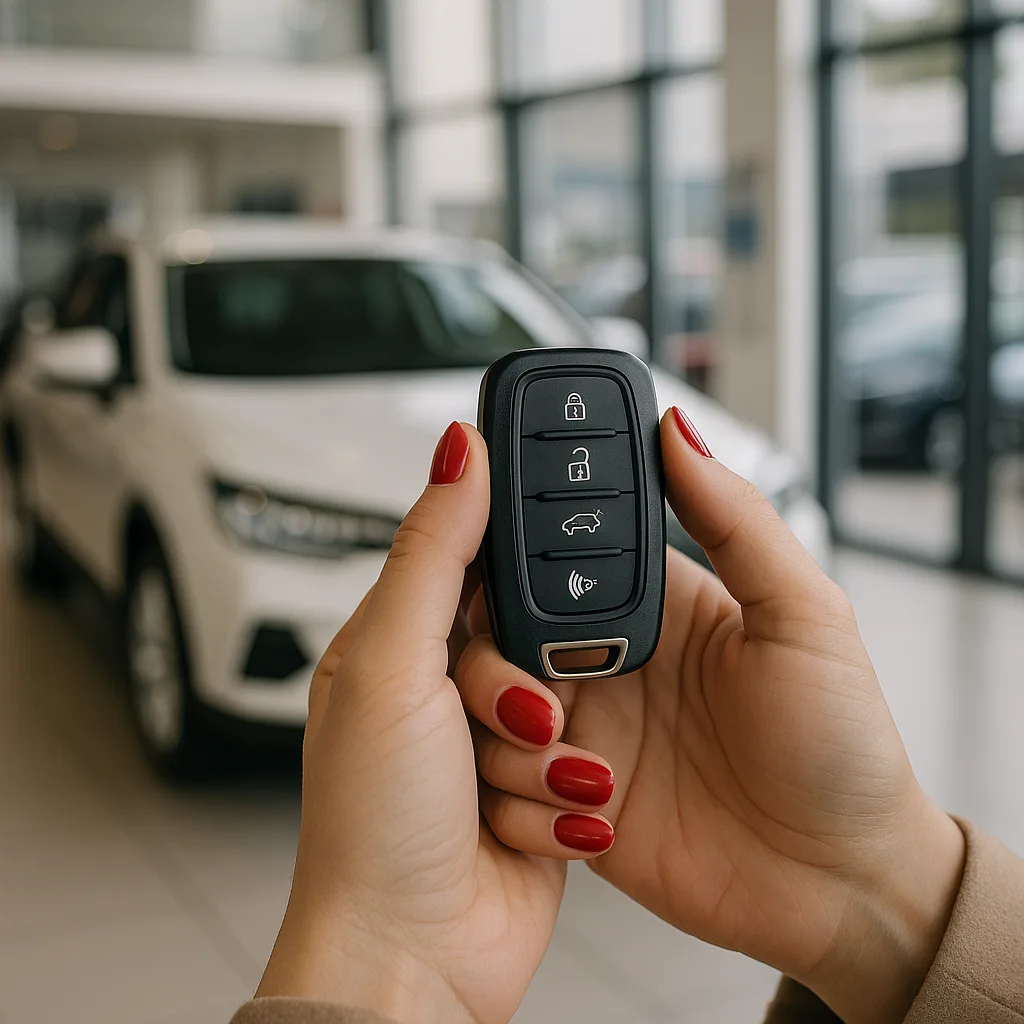
Carriers divide anti-theft devices into two categories, and the distinction controls whether you qualify. Passive systems arm automatically when you turn off the ignition or remove the key. Factory immobilizers, transponder keys, and many OEM alarm systems fall here. You do nothing after parking; the system engages itself. Active systems require you to arm them manually: aftermarket alarms with key-fob arming, steering-wheel locks, kill switches you toggle.
Passive systems qualify more reliably because the carrier assumes they are always active. You cannot forget to arm a transponder immobilizer. Active devices introduce human error: the night you forget to arm the alarm is the night the claim happens, and the carrier prices that risk into the discount structure. Many nonstandard-tier carriers recognize only passive devices. Some recognize both but tier the discount amount by category, with passive earning more.
If your vehicle came with a factory alarm or immobilizer after model year 2000, it is almost certainly passive and you likely qualify. If you added an aftermarket alarm, check whether it arms automatically or requires manual arming. The installation shop or the product documentation will state which. Do not assume the presence of a key fob means the system is active; many passive alarms include fobs for convenience features but still arm themselves when the ignition cycles off.
The carrier will ask for proof: VIN confirmation that the device is factory-installed, or receipts and installation documentation for aftermarket systems. No documentation, no discount, even when the device is visible.
How to Confirm Your Device Qualifies
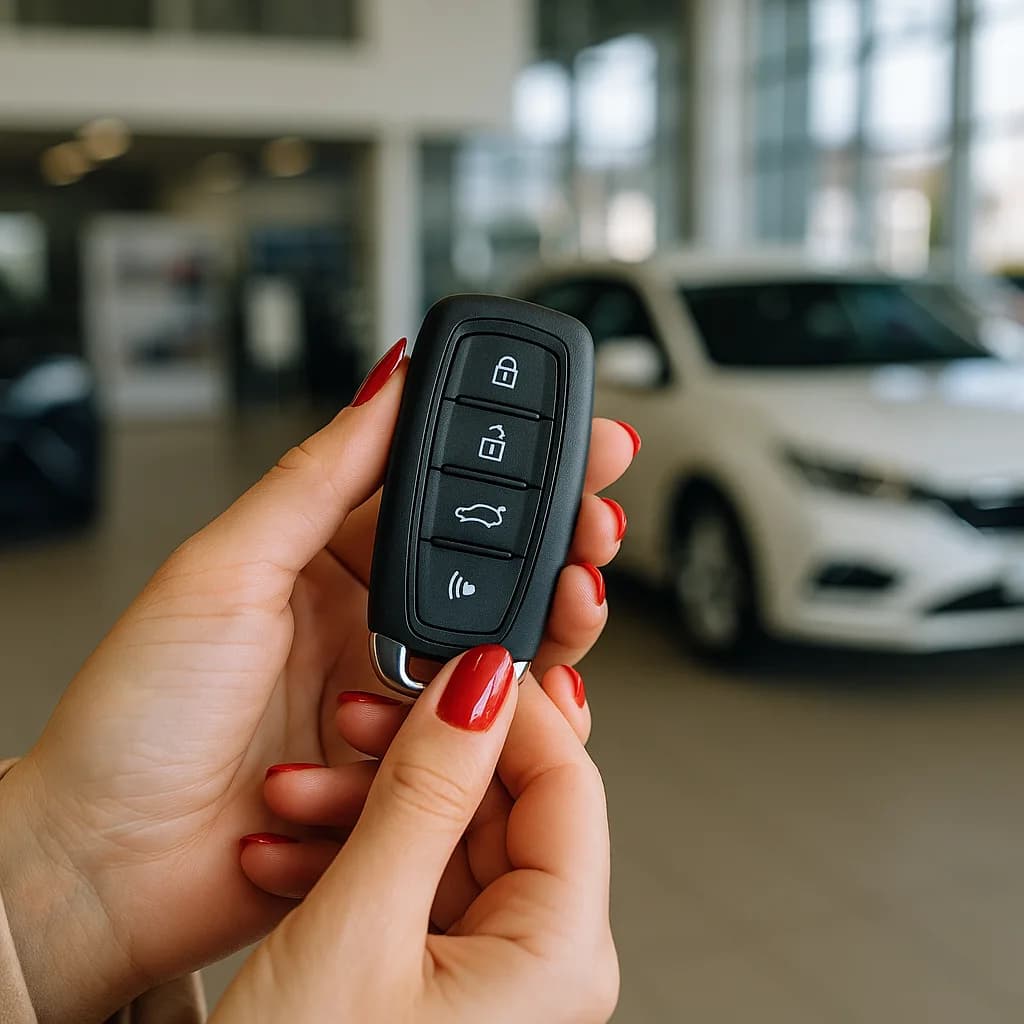
Start with your vehicle's window sticker, owner's manual, or the build sheet accessible through the manufacturer's VIN lookup tool. Factory-installed systems appear as line items in the equipment list: terms like immobilizer, anti-theft system, or security package. If the vehicle was built after 2000 and includes keyless entry or a transponder key, an immobilizer is standard on most makes. Print or screenshot the VIN decode showing the system; you will submit this during quoting or at bind.
For aftermarket devices, gather the purchase receipt, installation invoice, and any certification the installer provided. Some carriers require proof the system meets specific standards: Thatcham categories in some states, or LoJack certification for recovery systems. If you no longer have the paperwork, contact the installation shop for a duplicate invoice or a letter confirming the device model and install date. Without documentation, the carrier treats the vehicle as unequipped regardless of what is physically present.
Related Articles


What the Discount Actually Covers
The anti-theft discount applies to your comprehensive coverage only. Comprehensive pays for theft of the vehicle itself and theft of parts or contents. The discount reflects the reduced likelihood that a claim occurs: a car with a passive immobilizer is statistically harder to steal, so the carrier prices that risk lower. The discount does not touch liability, collision, or any other coverage line.
If you carry liability-only coverage because your vehicle is older or paid off, the anti-theft discount is not available to you. Comprehensive is optional once the lender releases the title, and many budget-conscious drivers drop it on older vehicles where the coverage cost exceeds the payout after depreciation. The anti-theft device still protects your car, but there is no premium line for the carrier to discount. This is the coverage-fit decision that determines whether the discount ever applies: if you are not buying comprehensive, the device category is irrelevant to your rate.
For drivers who do carry comprehensive, the discount amount varies by carrier, device type, and state. Passive systems typically earn more than active. Recovery systems like LoJack, which help law enforcement locate a stolen vehicle, sometimes earn a separate or stacked discount. The carrier will state the amount at quote time, and it appears as a line-item credit on your declaration page. If you do not see it listed and you submitted documentation, call the carrier before you bind. Discounts do not apply retroactively; if it is missing at bind, you lose it for the term.
When Adding a Device Makes Sense
Installing an aftermarket anti-theft system to earn a discount rarely pays for itself unless you were already planning the upgrade for theft protection in a high-risk area. A passive immobilizer or alarm system runs several hundred dollars installed. The comprehensive discount might lower your premium modestly, but the payback period often stretches across multiple policy terms, and that assumes you keep comprehensive coverage and the carrier recognizes the device.
If your vehicle already has a factory system, claiming the discount costs you nothing but the documentation step. If you are considering an aftermarket install solely for the rate reduction, get quotes first showing the discount amount with and without the device, then compare that annual savings against the install cost. For most budget drivers on older vehicles, the math does not close: the install cost exceeds the cumulative discount before the vehicle ages out of comprehensive coverage entirely.
The better play: confirm what is already on your car, document it, and claim the discount if you are buying comprehensive. Do not add a device chasing a discount that may not materialize or may apply inconsistently across the nonstandard market where device-category rules vary widely by carrier.
Carriers Writing SR-22
21
Twenty-one carriers in the national roster are verified to write SR-22 policies. Anti-theft discounts apply the same way in the high-risk market: passive devices on comprehensive coverage only, with documentation required at bind.
NAIC carrier filing data, 2023
How to Apply the Discount When You Quote
Most online quote forms include a checkbox or dropdown asking whether your vehicle has an anti-theft device. Check yes, then select the category: factory-installed, aftermarket passive, aftermarket active, or recovery system. The form may ask for the device model or manufacturer. If you are unsure, leave it generic and clarify when the carrier calls to verify coverage. Overstating the device type to chase a higher discount will backfire at bind when you cannot provide proof; the carrier will remove the credit and re-rate the policy, often pushing your effective rate higher than if you had quoted accurately from the start.
If you are quoting by phone, tell the agent you have an anti-theft device and state the category and proof you can provide. The agent will note it in your file and request documentation before binding. Submit the VIN decode or installation receipt as soon as the carrier asks. Delays in providing proof delay your bind date, and if you are quoting close to your current policy's expiration, that gap can trigger a lapse and erase any savings the discount provided.
Compare Carriers and Confirm the Discount Before You Bind
Anti-theft discount structures vary enough across carriers that the presence of a device is one more reason to quote multiple insurers, not fewer. One carrier may recognize your aftermarket alarm as passive and apply a discount; another may classify it as active and offer less or nothing. A third may not recognize aftermarket devices at all and discount only factory systems. You will not know which until you quote and submit documentation.
Get quotes from at least three carriers writing your tier. Confirm each recognizes your device category and states the discount amount in writing before you bind. If a carrier cannot confirm the discount at quote time, assume it will not apply and compare that quote against others on an apples-to-apples basis. The cheapest quote with an unconfirmed discount is not the cheapest quote; it is a pricing surprise waiting at renewal. Confirm now, bind with certainty, and keep the documentation in your file for the next term when the carrier will ask again.