When the Discount Appears
You installed a steering-wheel lock or an alarm system, and now you're wondering whether your carrier will recognize it with a lower premium. The answer depends on three factors: the device category your equipment falls into, whether your state mandates anti-theft discounts, and the risk tier your current rate reflects.
Anti-theft discounts exist across most carriers, but the amount varies by the type of device and the coverage you carry. Passive devices that engage automatically typically qualify for larger reductions than active devices you must turn on manually. Comprehensive coverage is where the discount applies, because theft and vandalism fall under that coverage. If you carry liability-only, anti-theft equipment does not change your premium.
Compare car insurance rates in your state
Get quotes from licensed carriers — no obligation, no spam, results in minutes.
Get Your Free QuoteVehicle Thefts Per 100K Population
241.78
The national average theft rate sits at 241.78 per 100,000 population, but state rates range from 64.9 to 797.4. Carriers price comprehensive coverage against regional theft risk, and anti-theft devices lower that exposure.
FBI Uniform Crime Reporting, 2024
Device Categories Carriers Recognize
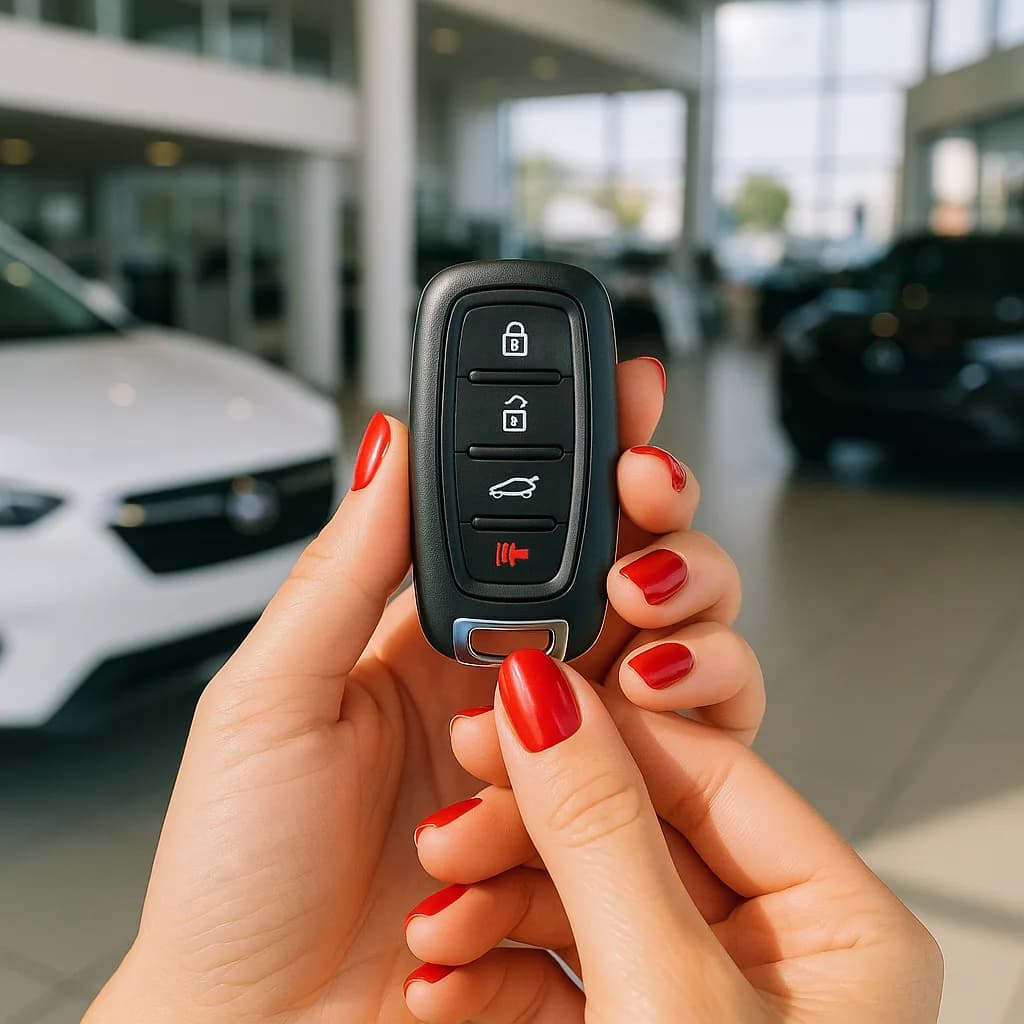
Carriers group anti-theft equipment into three categories: passive disabling devices, active alarms, and vehicle recovery systems. Passive devices include factory-installed immobilizers, smart keys with encrypted chips, and kill switches that prevent the engine from starting without the correct signal. These engage automatically when you remove the key, and most carriers offer the largest discount for this category because the device works without driver action.
Active alarms require you to arm them manually. Aftermarket alarm systems, steering-wheel locks, and hood locks fall into this group. The discount is typically smaller because effectiveness depends on consistent use. Vehicle recovery systems like LoJack or OnStar tracking help law enforcement locate a stolen vehicle quickly. Some carriers discount these separately; others bundle them with passive devices.
Not all equipment qualifies. Cosmetic deterrents like window etching or dashboard decals may reduce theft risk in practice, but most carriers do not discount them because they lack mechanical prevention. Check with your carrier before purchasing aftermarket equipment to confirm the device qualifies and the discount amount.
The discount applies only to comprehensive coverage. Liability-only policies see no rate change from anti-theft devices, because theft and vandalism are not covered.
How State Rules Shape Discount Availability
States with mandated discounts require carriers to offer a minimum percentage reduction when you install qualifying equipment. The mandate typically specifies device categories and sets a floor discount, but carriers may offer more. States without mandates allow carriers to set their own discount structures, and the amount varies widely. In these states, the discount becomes a shopping point: one carrier may offer a meaningful reduction while another offers none.
Factory-installed devices often qualify automatically when you provide the vehicle identification number at quote time. Aftermarket devices require proof of installation, usually a receipt and an installer certification. Some carriers inspect the device or require photos before applying the discount. If you install equipment after binding the policy, notify your carrier immediately and request the discount be applied retroactively to the installation date. Most carriers honor this if you provide documentation within a reasonable window.
Related Articles




Calculating Whether the Device Pays Back
The payback calculation compares the device cost against the annual premium reduction. If a passive immobilizer costs you nothing because it came with the vehicle, the discount is pure savings.
Comprehensive coverage premiums vary by vehicle value, location, and your claims history. A higher comprehensive premium means more room for the discount to reduce your cost. If your comprehensive coverage already sits at the minimum because you drive an older vehicle or live in a low-theft area, the discount may be small enough that aftermarket equipment never pays back. In that case, the device's value is theft prevention itself, not premium savings.
Some carriers cap anti-theft discounts at a maximum percentage or dollar amount. Ask your carrier for the specific discount before purchasing equipment. If the cap is low and your comprehensive premium is already modest, the savings may not justify the installation cost. The discount also does not compound with other comprehensive-coverage discounts in most cases; the carrier applies the largest single discount, not a stack.
Tier and Pricing Context
Your current rate tier affects how much room the discount has to move your premium. Standard-tier drivers with clean records and low claims history often see smaller anti-theft discounts because their base rate already reflects low risk. Non-standard or high-risk tier drivers may see larger percentage reductions because the base rate is higher and the carrier views theft-prevention equipment as additional risk mitigation.
If you're shopping for a new policy and considering anti-theft equipment, get quotes with and without the device to see the actual difference. Some carriers advertise anti-theft discounts prominently but apply them to a higher base rate, erasing the benefit. Comparing the final premium across carriers matters more than the discount percentage in isolation.
Carriers Writing Nationwide
34
Thirty-four carriers write auto insurance across the U.S., and anti-theft discount structures vary by carrier. Comparing quotes from multiple carriers shows you where the discount actually lowers your total cost.
NAIC market share data, 2023
When to Skip the Aftermarket Device
If you carry liability-only coverage, anti-theft devices do not affect your premium. The discount applies only to comprehensive, and without that coverage the device is a theft-prevention measure with no insurance savings. If your vehicle is older and comprehensive coverage costs less than the device and installation combined, the payback period may outlast the vehicle's useful life. In that case, the rational call is to skip the device and self-insure against theft.
Factory-installed devices cost you nothing to activate and should always be disclosed to your carrier. Aftermarket devices make sense when comprehensive coverage is a significant line item on your policy and the discount shortens the payback period to two years or less. Beyond that window, the savings become speculative because you may shop carriers, change vehicles, or drop comprehensive before the device pays for itself.
Next Step
Contact your current carrier and ask for the specific anti-theft discount amount by device category. If you're considering aftermarket equipment, request the discount in writing before purchasing. If you're shopping for a new policy, get quotes with the device disclosed and compare the final premium across carriers. The discount is real, but the savings are carrier-specific and tier-dependent. Confirm the numbers before you invest.