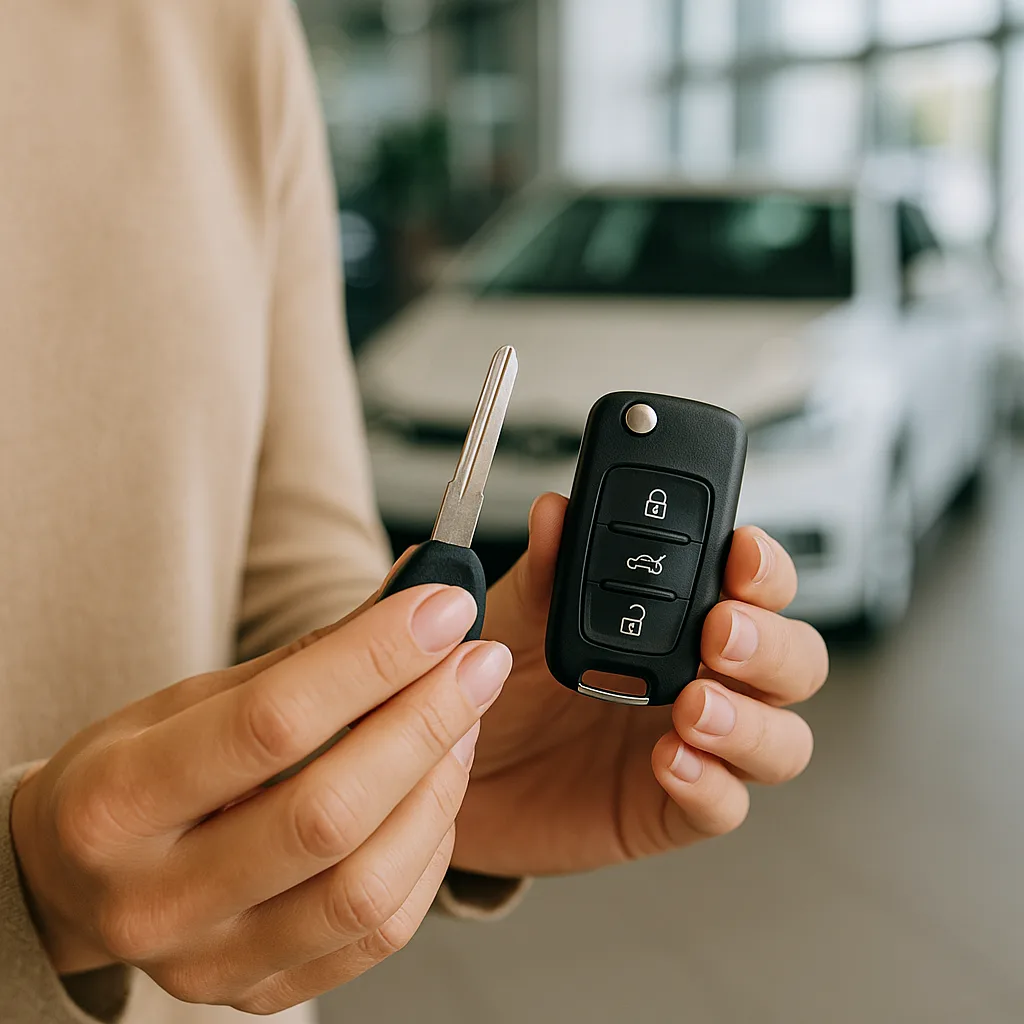
When Factory Equipment Isn't Enough
You bought a car with a factory alarm system, assumed the anti-theft discount would apply automatically, and discovered at renewal that it never did. The carrier wants verification you don't have, or the device your car came with doesn't meet their definition of qualifying equipment.
Anti-theft discounts exist across most carriers, but qualification rules vary by device type, installation verification, and state approval lists. What counts as anti-theft equipment to one carrier may not register with another, and factory systems often require documentation the dealer never provided.
Compare car insurance rates in your state
Get quotes from licensed carriers — no obligation, no spam, results in minutes.
Get Your Free QuoteCarriers Writing Budget Policies
25
Most standard and non-standard carriers offer anti-theft discounts, but device requirements and verification processes differ. Comparing carriers by their specific qualifying-device lists often surfaces better discount structures than chasing verification for a borderline system.
Carrier roster verification, 2026
What Carriers Actually Verify
Anti-theft discounts fall into three device tiers: passive systems that arm automatically when you leave the car, active systems requiring manual arming, and recovery systems that track the vehicle after theft. Passive systems earn the largest discounts because they can't be forgotten. Active alarms and steering-wheel locks qualify for smaller amounts.
Factory alarms usually qualify only when the carrier can verify the specific make, model, and year came standard with a passive system. A window sticker stating 'security system' is not enough. You need the VIN-decoded build sheet showing the alarm package, or a letter from the manufacturer confirming the equipment for your exact vehicle.
Aftermarket systems require proof of professional installation and often a certificate from the installer naming the device model. Carriers maintain approved-device lists, and systems not on the list don't qualify regardless of cost or capability. LoJack and similar GPS recovery systems qualify separately and stack with alarm discounts at some carriers.
The discount applies only after the carrier receives and approves documentation. Assuming eligibility without submitting proof means paying full rate until the next policy review.
Documentation That Carriers Accept
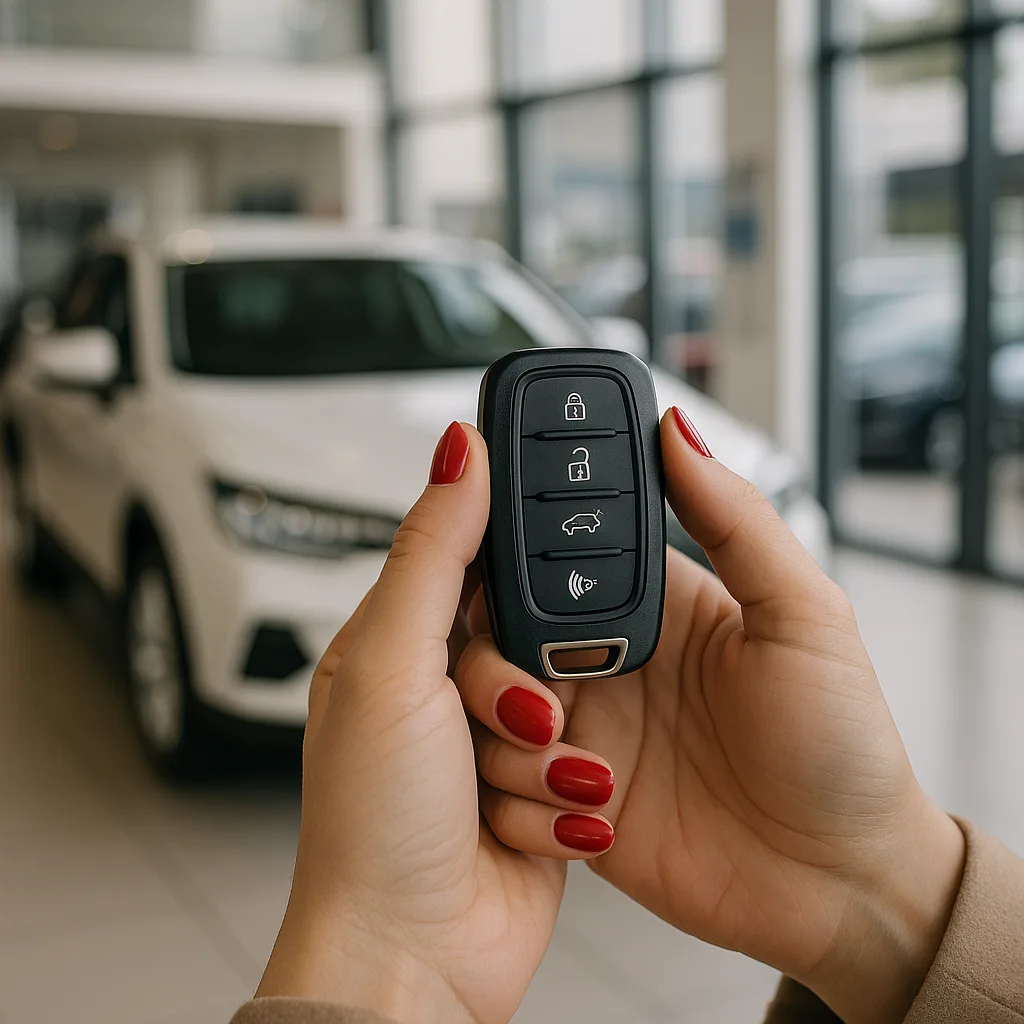
For factory systems, request a build sheet or equipment verification letter from the manufacturer's customer service line. Provide your VIN and ask for written confirmation that your vehicle came standard with a passive anti-theft system, naming the specific device or package. Some manufacturers provide this online through owner portals; others require a phone request and mail the letter within two weeks.
For aftermarket installations, the installer should provide a certificate at installation naming the device model, installation date, and confirming professional installation. If you bought the car used and lack this certificate, contact the device manufacturer with your VIN and ask whether they can verify installation through their dealer network. Some systems register installations in a central database and can reissue certificates.
Related Articles




When the Discount Doesn't Apply
Carriers exclude vehicles above a certain age from anti-theft discounts regardless of equipment, typically ten to fifteen years depending on the insurer. Older vehicles fall outside the theft-risk profile the discount was priced against, and the equipment itself may no longer function reliably.
Comprehensive coverage is required to earn the anti-theft discount at most carriers. If you dropped comprehensive because the car is paid off and older, the anti-theft discount disappears with it. The discount reduces comprehensive premium specifically, not liability. Liability-only policies don't qualify.
Some states require carriers to offer anti-theft discounts by statute but allow the carrier to set device standards and verification rules. A state-mandated discount doesn't mean automatic approval. It means the carrier must offer the discount to drivers who meet their criteria and submit acceptable proof.
Vehicle Thefts Per 100K Range
64.9–797.4
Theft rates vary widely by state, and carriers price anti-theft discounts accordingly. High-theft states see larger discounts for verified systems, but verification requirements are often stricter to prevent discount abuse.
FBI UCR, 2024
Submitting Proof and Tracking Application
Submit documentation through the carrier's preferred channel: online portal upload, email to your agent, or mail to the underwriting department. Request written confirmation that the carrier received the documents and a timeline for review. Most carriers process anti-theft verifications within one billing cycle, but some require manual underwriting review that takes longer.
If the discount doesn't appear on your next bill, follow up before the billing cycle closes. Carriers apply approved discounts prospectively from the approval date, not retroactively to the date you submitted proof. A two-month processing delay costs you two months of discount you won't recover.
Compare Carriers by Discount Structure
Anti-theft discount amounts and qualifying-device lists vary enough between carriers that the discount itself becomes a comparison point. One carrier may approve your factory system with a VIN check while another requires a manufacturer letter you can't obtain. A carrier with looser verification and a smaller discount may deliver better total cost than a carrier with a larger discount you can't access.
When you compare quotes, ask each carrier specifically what documentation they require for your vehicle's anti-theft equipment and whether your device model appears on their approved list. Get the answer in writing before you bind coverage. Switching carriers to access a discount you later can't verify wastes the effort and may cost you other discounts that don't transfer.