The Safety Equipment Your Insurer Actually Prices
You bought the car partly for its safety rating, or you're shopping used and comparing models by crash-test scores and driver-assist features. The assumption is straightforward: safer car, lower insurance. The reality is narrower. Insurers discount two categories of equipment reliably: anti-theft systems and passive restraints. Collision-avoidance technology, adaptive cruise control, lane-keeping assist, and automatic emergency braking are marketed as safety advances but rarely appear as line-item discounts on your policy because they haven't aged into actuarial loss data yet.
This creates a pricing gap. A car with forward-collision warning and blind-spot monitoring may cost the same to insure as the same model without those features, while a factory alarm system or an extra airbag package triggers a measurable discount. For a budget driver, the distinction matters: you're paying for the equipment either way, but only some of it reduces the bill you're trying to minimize.
Compare car insurance rates in your state
Get quotes from licensed carriers — no obligation, no spam, results in minutes.
Get Your Free QuoteEquipment Classes Insurers Discount
2 categories
Anti-theft devices and passive-restraint systems are the two equipment families that generate consistent premium reductions across carriers. Collision-avoidance features are priced into the vehicle tier but rarely discounted separately.
Why Collision-Avoidance Tech Doesn't Discount Yet
Insurers price risk using historical loss data. A feature needs years of claim history before it can be priced as a discount. Anti-theft systems have decades of data showing they reduce theft claims. Airbags have similar longevity in the actuarial record. Automatic emergency braking, by contrast, became widespread only in the last several model years. Carriers know it reduces crashes in controlled studies, but they don't yet have enough real-world claim data to quantify the discount with confidence.
The result is that your car's collision-avoidance suite is priced into the vehicle's overall risk tier when the carrier underwrites it, but it doesn't generate a separate discount line on your declaration page. You're paying for the technology in the purchase price, and you may benefit from it in an avoided accident, but it isn't lowering your premium the way an alarm system does.
This lag is structural. As the technology ages into the fleet and claim patterns emerge, carriers will eventually price it. For now, a budget driver comparing two used cars with similar book values but different safety-tech packages should expect similar insurance quotes, and the decision comes down to whether the safety feature is worth its cost in the vehicle price, not in the insurance savings.
The feature that prevents a crash you never file a claim for doesn't show up as a discount, even when it's doing its job.
Anti-Theft and Passive-Restraint Discounts

Anti-theft discounts apply to factory alarm systems, vehicle-recovery systems, and engine immobilizers. The discount typically reduces your comprehensive premium, which covers theft. If you carry liability-only coverage, an anti-theft system won't lower your bill because you aren't buying the coverage it protects. This is a common miss: a driver drops comprehensive to save money, and the anti-theft discount disappears with it. The equipment is still there, but the discount only applies to a coverage you no longer carry.
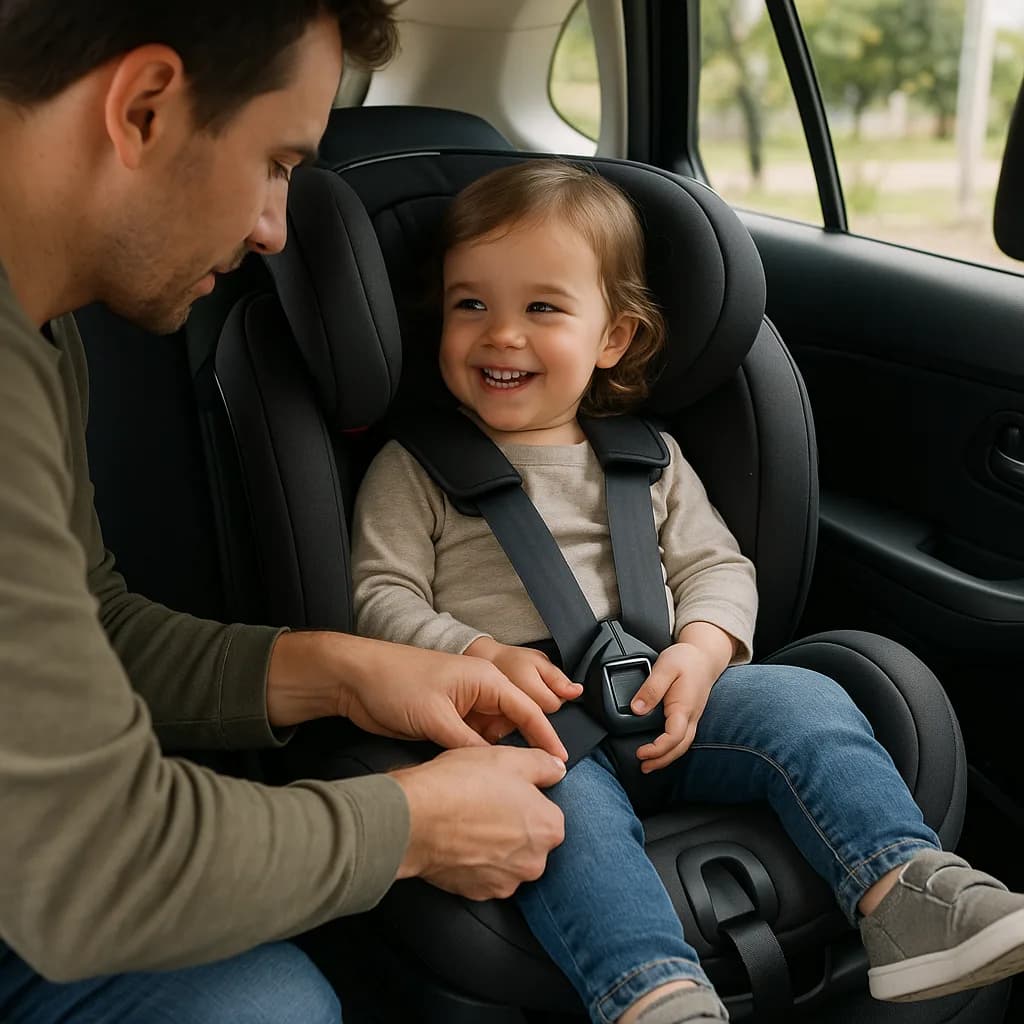
Passive-restraint discounts cover airbags, automatic seat belts, and other restraint systems that activate without driver action. The discount applies to your bodily-injury and medical-payments coverages, which pay for injuries. Most modern cars qualify automatically because federal standards require frontal airbags. Older vehicles without side-curtain or knee airbags may qualify for a smaller discount. The discount is modest, but it stacks with others, and on a tight budget every reduction compounds.
Related Articles



How to Confirm You're Getting the Discount
Carriers don't always apply discounts automatically. When you get a quote or renew a policy, confirm that your vehicle's anti-theft and passive-restraint equipment is reflected in the premium. The equipment is listed in the vehicle's VIN decode, but not every carrier pulls that data into their rating engine without a prompt. Ask the agent or the online quote system directly: does this quote include the anti-theft discount, and does it include the passive-restraint discount?
If you added aftermarket anti-theft equipment, such as a kill switch or a tracking device, you may need to provide proof of installation to qualify for the discount. Factory equipment is easier: the carrier verifies it through the VIN. Either way, the discount isn't automatic until the underwriter knows the equipment exists and codes it into your policy. A missed discount on a six-month term is small; a missed discount over three years of renewals adds up.
Some states mandate specific anti-theft or safety-equipment discounts by statute. If your state requires insurers to offer a discount for certain equipment, the carrier must apply it when the vehicle qualifies, but you still need to confirm it appears on your declaration page. State insurance department websites list mandated discounts; check yours if you're unsure what your car qualifies for.
How Carriers Verify Factory Equipment
VIN decode
The vehicle identification number contains the equipment package installed at manufacture. Carriers use VIN-decode databases to confirm anti-theft and restraint systems, but not all quote systems pull that data automatically. Verify the discount appears before binding coverage.
The Coverage Decision and Equipment Value
A car with strong safety equipment is worth more to insure fully, and worth less to insure minimally. If you carry comprehensive and collision, the anti-theft discount reduces your comprehensive premium, and the passive-restraint discount reduces your injury coverages. If you carry liability-only, the anti-theft discount disappears because you aren't buying theft coverage, and the passive-restraint discount shrinks because your injury exposure is lower. The equipment still protects you in a crash, but it doesn't lower the bill as much when you've dropped the coverages it discounts.
This creates a feedback loop. Drivers drop full coverage to save money, which eliminates the discounts that made full coverage cheaper, which makes the gap between full and minimal coverage wider. The right decision depends on the car's value and your ability to replace it without an insurance payout, not on the equipment it carries. A car with excellent safety features and low book value may still be cheaper to insure liability-only, and the safety equipment becomes a personal-protection asset rather than a premium-reduction tool.
Compare Quotes With Equipment Confirmed
When you compare carriers, make sure each quote reflects the same equipment profile. A quote that omits your anti-theft discount isn't comparable to one that includes it. The cheapest quote with the discount missing may be more expensive than the second-cheapest quote with the discount applied. This is especially common when quoting online: the form asks for year, make, and model, but it doesn't always pull the trim level or the equipment package, and the discount gets left out.
Confirm the VIN is entered correctly on every quote. The VIN is the single most reliable way to ensure the carrier prices your actual car, not a base model with fewer features. If the quote system doesn't ask for the VIN, provide it to the agent or the underwriting team before you bind. A mismatched VIN can cost you discounts at quote time and create coverage gaps at claim time if the insurer discovers the vehicle on the policy isn't the vehicle in the accident.