
What Usage-Based Insurance Actually Tracks
Usage-based insurance prices your premium on data collected from your actual driving: miles traveled, time of day, braking patterns, acceleration, cornering, and sometimes speed relative to posted limits. A telematics device plugs into your vehicle's diagnostic port, or a smartphone app uses GPS and motion sensors to capture the same information. The carrier uses that data to adjust your rate, either at renewal or continuously throughout the policy term.
The appeal is straightforward: if you drive fewer miles than the average policyholder, or if your behavior scores well on the carrier's safety model, you pay less. The structural friction appears when the tracking period ends and the discount becomes permanent pricing, or when a single hard-braking event in month two erases the participation discount you enrolled for. Most drivers evaluate these programs on the enrollment incentive alone, not on what the data stream does to their rate six months in.
Compare car insurance rates in your state
Get quotes from licensed carriers — no obligation, no spam, results in minutes.
Get Your Free QuoteCarriers Writing Usage-Based
34
Carriers across standard, preferred, and nonstandard tiers now offer telematics programs, though program structure, discount caps, and data-collection methods vary widely. Enrollment incentives range from immediate participation discounts to rate adjustments applied only after the monitoring period closes.
Carrier roster verification, 2026
How Telematics Programs Price Your Driving
Carriers score your driving on factors their actuarial models tie to claim frequency. Low annual mileage reduces exposure: fewer miles mean fewer opportunities for a collision. Time-of-day data penalizes late-night and early-morning driving, when fatality rates and impaired-driver encounters climb. Hard braking, rapid acceleration, and sharp cornering signal risk in the carrier's model, even when no accident occurs.
Some programs apply a discount at enrollment, then adjust it based on your data. Others withhold any discount until the monitoring period ends, then lock in a rate for the next term. A third structure adjusts your premium continuously: your rate changes mid-term as your score changes. The continuous-adjustment model is the one that surprises drivers. A single week of highway commuting or a hard stop to avoid a pedestrian can raise your rate before the next billing cycle, with no advance notice beyond the app's score display.
The monitoring period typically runs 90 to 180 days. After that window closes, the carrier sets your rate based on the data collected. That rate holds until your next renewal, when the carrier re-evaluates. Some programs end monitoring after the initial period; others continue tracking indefinitely. Confirm whether your program stops collecting data or keeps the device active for the life of the policy.
The discount cap matters more than the enrollment incentive.
What the Data Stream Costs You
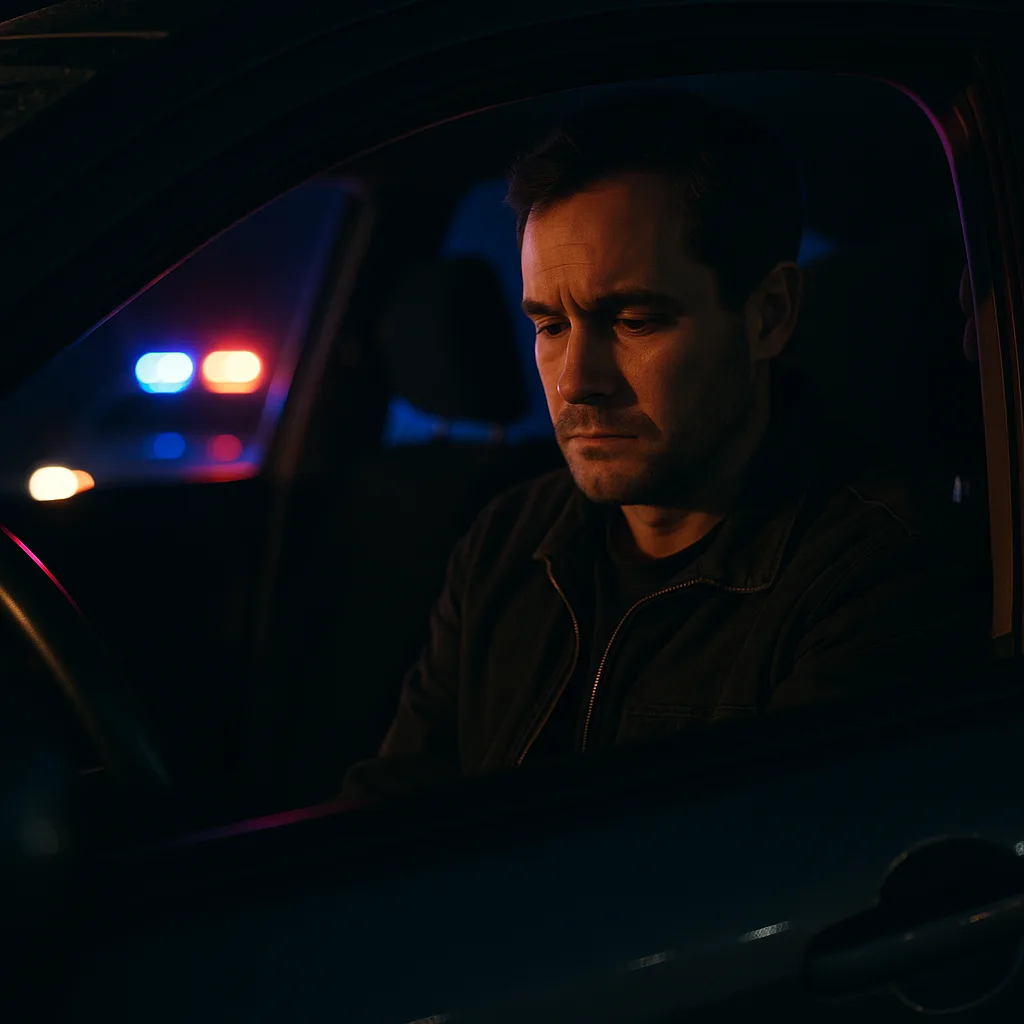
Location data, trip timestamps, and route information are collected by most app-based programs, even when the carrier's pricing model uses only mileage and braking events. That data can establish where you were and when, information that becomes relevant in a claim dispute or a coverage question. If you told the carrier you park in a garage but the app shows consistent street parking in a higher-theft zone, the carrier has grounds to re-rate or deny a comp claim. If you listed your vehicle as pleasure-use but the data shows a daily commute, the same risk applies.
The device or app also creates a record of every trip. That record is not protected by the same privacy rules that govern medical or financial data. In some states, that data can be subpoenaed in a lawsuit. If you are involved in an at-fault collision, the other party's attorney can request your telematics data to establish speed, braking, or distraction. The carrier's model may score you as a safe driver, but the raw data can still be used against you in court.
Related Articles






When Usage-Based Programs Save Money
Usage-based insurance delivers the largest savings to drivers who combine low annual mileage with predictable, low-risk driving patterns. If you drive fewer than 7,500 miles per year, avoid late-night and early-morning trips, and rarely trigger hard-braking events, most telematics programs will price you below the standard rate for your demographic and coverage profile. Retirees, remote workers, and urban drivers who use their vehicle only for errands fit this profile cleanly.
The savings erode when your mileage climbs or your driving pattern includes factors the model penalizes. A night-shift worker driving home at 2 a.m. five days a week will score poorly on time-of-day, even with no accidents or tickets. A driver in stop-and-go city traffic will trigger more hard-braking events than a rural driver covering the same annual mileage on open highways. The model does not distinguish between a hard stop to avoid a collision and a hard stop because you misjudged a yellow light; both events lower your score identically.
Compare the telematics quote to a standard quote from the same carrier before enrolling. Some carriers price their telematics programs higher at baseline, then apply the discount to bring you back to what a standard policy would have cost. If the post-discount telematics rate is only slightly below the standard rate, the tracking and data trade-off may not justify the savings. Get both quotes in writing, with identical coverage limits, before you install the device.
Carriers Writing Non-Standard
25
Drivers in the nonstandard tier often see telematics programs marketed as a path to lower rates, but the discount caps in this tier are typically smaller and the baseline rates higher. Confirm the maximum possible discount and the scoring criteria before enrollment, and compare the best-case telematics rate to standard-tier quotes from other carriers.
Carrier tier verification, 2026
Opt-Out Rights and Program Exit
Most telematics programs allow you to opt out during the monitoring period without penalty, though the carrier's definition of 'without penalty' varies. Some carriers let you exit and revert to your original quoted rate. Others exit you to a standard rate that may be higher than the quote you received at enrollment, particularly if your initial quote included a participation discount you lose by leaving. Confirm the exit terms in writing before you install the device.
If your score during the monitoring period is tracking toward a rate increase rather than a discount, opting out before the period closes can prevent that increase from locking in at renewal. Watch your score in the app weekly. If your score drops below the threshold where the discount turns into a surcharge, exit the program immediately and ask the carrier to confirm your rate reverts to the standard quote. Do not wait until the monitoring period ends; by then the higher rate is already set.
Compare Telematics to Multi-Policy and Mileage Discounts
Before you enroll in a telematics program, confirm whether you already qualify for discounts that deliver similar savings without data collection. Bundling your auto policy with renters or homeowners insurance typically saves 10 to 25 percent, depending on the carrier and state. A low-mileage discount, available from many carriers without tracking, applies when you certify your annual mileage falls below a threshold, usually 7,500 or 10,000 miles per year. That discount requires no device, no app, and no data stream.
If you qualify for both a bundle discount and a low-mileage discount, the combined savings may exceed what a telematics program offers, particularly if your driving pattern includes factors the telematics model penalizes. Stack the discounts you can verify and control before you hand over trip data to a program that may price you higher than you started.