What the Homeowner Discount Actually Is
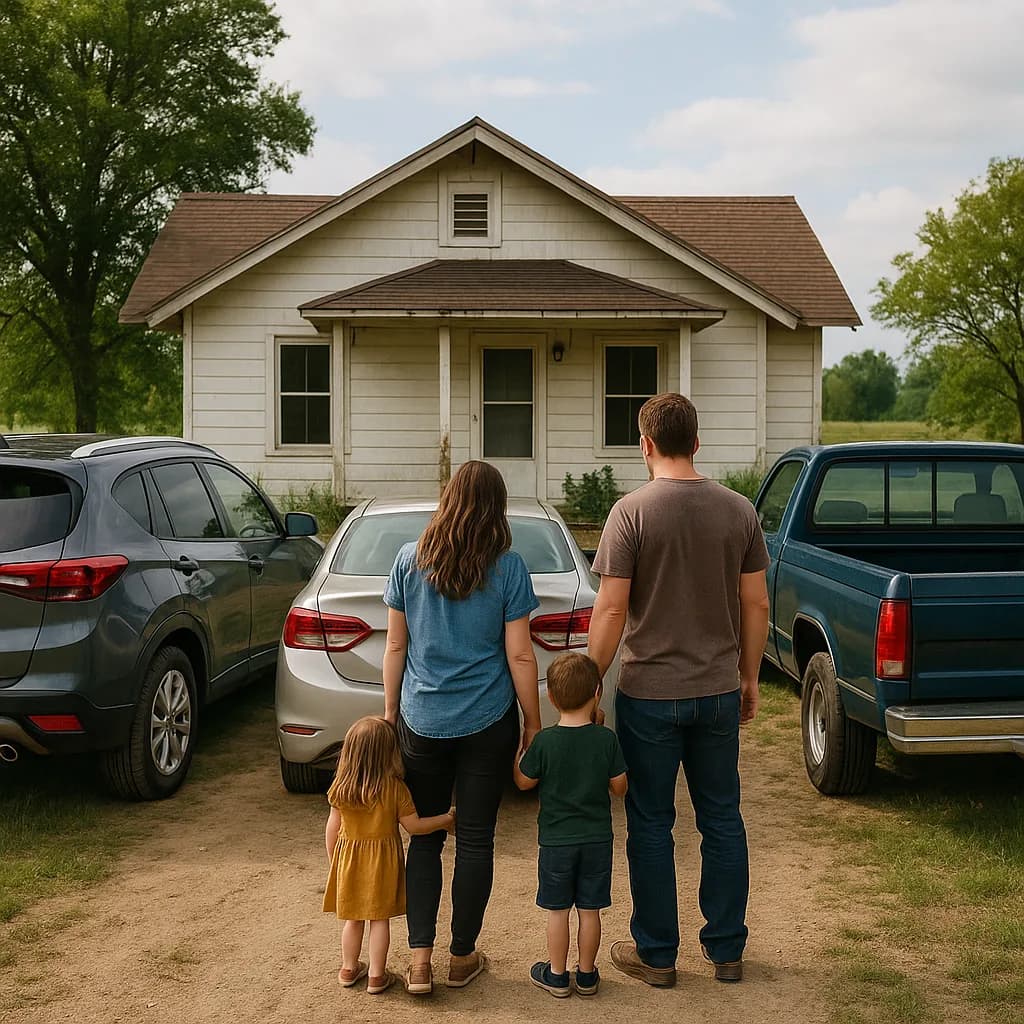
You own your home and you're shopping for car insurance. Every carrier mentions a homeowner discount, but the application varies. Some verify homeownership through bundling your home and auto policies with the same company. Others check property records and apply the discount to a standalone auto policy. The structure matters because the bundled rate isn't always the lowest rate you can get.
The homeowner discount exists because insurers view homeowners as lower-risk: you have an asset to protect, a credit profile that cleared mortgage underwriting, and statistically lower claim frequency. Carriers price that risk profile into the discount, but the discount's size and the base rate it modifies vary widely. The cheapest outcome depends on whether your home policy already sits with a low-cost insurer and whether moving it would cost more than the auto discount saves.
Compare car insurance rates in your state
Get quotes from licensed carriers — no obligation, no spam, results in minutes.
Get Your Free QuoteCarriers Writing Budget Auto
25
Most major carriers offer a homeowner discount, but not all write competitively in the budget tier. The carrier roster that writes your profile affordably determines where the discount actually applies.
Carrier verification data, 2026
How Carriers Verify and Apply It
Carriers verify homeownership in two ways. Bundling verification happens when you quote home and auto together: the system sees both policies and applies the discount automatically. Property-record verification happens when you quote auto only: the carrier checks public records during underwriting and applies the discount if you own the address you listed. Not all carriers do property-record verification, and those that do may apply a smaller discount than the bundled rate receives.
The bundled discount is typically larger because the carrier retains both policies. A standalone homeowner discount rewards the risk profile without the retention benefit, so the percentage is smaller. If your home policy already sits with a low-cost home insurer and moving it raises your home premium by more than the auto discount saves, bundling costs you money. The math requires quoting both ways.
Some carriers require you to declare homeownership on the application. If you skip that question or list a rental address, the discount won't apply even if you own a home elsewhere. When you own but don't occupy the home you're insuring the car at, tell the carrier: some apply the discount, others don't, and the rule varies by company.
The bundled rate isn't always the lowest rate. If your home policy sits with a cheaper insurer, moving it to bundle can cost more than the auto discount saves.
When Bundling Saves and When It Doesn't

Scenario one: your home policy costs less where it is now. You get an auto quote from the same carrier and the bundled rate is lower than standalone quotes elsewhere. But moving your home policy to that carrier raises your home premium by more than the auto discount saves. The bundled auto rate looks cheap, but your total annual spend across both policies goes up. In this case, keep the home policy where it is and take the best standalone auto rate, even without the homeowner discount.
Scenario two: your home policy is expensive or you haven't shopped it in years. You quote auto and home together at a new carrier and the combined premium is lower than your current total. Here bundling saves money on both policies. The homeowner discount is part of the package, but the real savings comes from re-shopping both. Carriers re-price silently at renewal, and a home policy you haven't moved in five years may be overpriced enough that bundling pays even if the auto rate alone isn't the lowest you can find.
Related Articles





What the Discount Doesn't Cover
The homeowner discount applies to your auto premium, not your home premium. It lowers the cost of insuring your car because you own a home; it does not lower the cost of insuring the home itself. If a carrier quotes you a bundled rate, the discount is already reflected in the auto portion. You won't see a separate line item on the home policy.
Renters insurance does not trigger the homeowner discount. Some carriers offer a separate renter discount or a multi-policy discount when you bundle renters and auto, but the homeowner discount is specific to property ownership. If you rent, ask about the renter or multi-policy discount instead; the structure is similar but the verification and savings differ.
The discount applies per household, not per vehicle. If you own your home and insure two cars, both vehicles receive the homeowner discount on a bundled or verified standalone policy. You don't get a larger discount for owning a more expensive home or for owning multiple properties unless the carrier's underwriting uses home value as a rating factor separately, which some do and some don't.
Discount Categories to Stack
4–6
Homeowner is one of several discount categories a budget driver can combine: paperless, autopay, multi-car, and safe-driver discounts stack with it. The more categories you qualify for, the lower the base premium drops before you compare carriers.
How to Quote Both Ways
Get a standalone auto quote first. Use your current home address, declare that you own the home, and let the carrier verify through property records if they do. This gives you the baseline: the auto rate with a homeowner discount applied, if the carrier offers property-record verification, or without it if they don't. Note the monthly premium.
Then get a bundled quote from the same carrier. Add your home policy to the quote and let the system calculate the combined rate. Compare the total monthly cost of both policies bundled against your current home premium plus the standalone auto quote. If the bundled total is lower, bundling saves. If the bundled total is higher, keep the home policy where it is and take the standalone auto rate. Repeat this process at three to five carriers that write your profile. The lowest total cost across both policies is the answer, whether that's bundled or split.
Compare Standalone and Bundled Rates
The homeowner discount lowers your car insurance premium, but the structure varies by carrier and the bundled rate isn't always the cheapest outcome. Quote both ways at multiple carriers: standalone auto with homeowner verification, and bundled home and auto together. Add up the total monthly cost of both policies under each scenario. The lowest total is the right choice, whether that means bundling or keeping the policies split. If your home policy hasn't been shopped in years, bundling often saves on both. If your home policy already sits with a low-cost insurer, a standalone auto quote with homeowner discount applied may cost less overall. Get quotes from carriers that write your profile affordably and compare the math directly.