
Why Senior Discounts Matter More After 63 in Idaho
At 63, Idaho cuts your license renewal cycle from 8 years to 4, adds a mandatory vision test every renewal, and requires in-person visits at the DMV. The renewal friction increases, and so does the opportunity to re-shop your policy. Most carriers never tell you that defensive-driving discounts, multi-policy bundling, and low-mileage programs exist for drivers 55 and older — you ask, or you pay the undiscounted rate.
The state minimum liability in Idaho is $25,000 per person, $50,000 per accident, and $15,000 property damage. That floor satisfies the law, but it does not protect your assets if you cause a multi-vehicle crash or injure someone seriously. Senior drivers on fixed incomes run the same math as everyone else: the cheapest policy that lapses becomes the most expensive decision you make, and the right coverage level depends on what you own and what you could actually pay tomorrow.
Compare car insurance rates in your state
Get quotes from licensed carriers — no obligation, no spam, results in minutes.
Get Your Free QuoteIdaho Average Annual Premium
Idaho's average annual auto insurance expenditure per insured vehicle was $888.07 in 2023, one of the lowest in the nation. Senior drivers who qualify for defensive-driving and bundling discounts can push below that average, but only if they ask carriers directly.
NAIC Auto Insurance Database Report 2023
Which Discount Categories Actually Lower Your Premium
Mature-driver discounts fall into six categories: defensive-driving course completion, multi-policy bundling, low-mileage or usage-based programs, multi-car, paperless and autopay, and affinity or group memberships. Defensive-driving is the most common: carriers reward drivers 55 and older who complete an approved course, typically every three years.
Multi-policy bundling combines your auto and homeowners or renters policy with the same carrier. Bundling discounts vary by carrier and state, but they are always qualitative — availability and amounts depend on the carrier you choose. Low-mileage programs track annual mileage and reduce your premium if you drive fewer miles than the carrier's threshold. Usage-based programs monitor driving behavior through a smartphone app or plug-in device and adjust your rate based on braking, speed, and time of day.
Paperless and autopay discounts are small but stackable. Affinity discounts apply if you belong to a professional group, alumni association, or membership organization the carrier partners with. None of these discounts appear automatically. You ask during the quote process, or you pay full price.
Idaho carriers do not volunteer discount categories during the quote. If you do not ask about defensive-driving, bundling, or low-mileage programs, the quote assumes you do not qualify.
How to Ask for Senior Discounts During the Quote
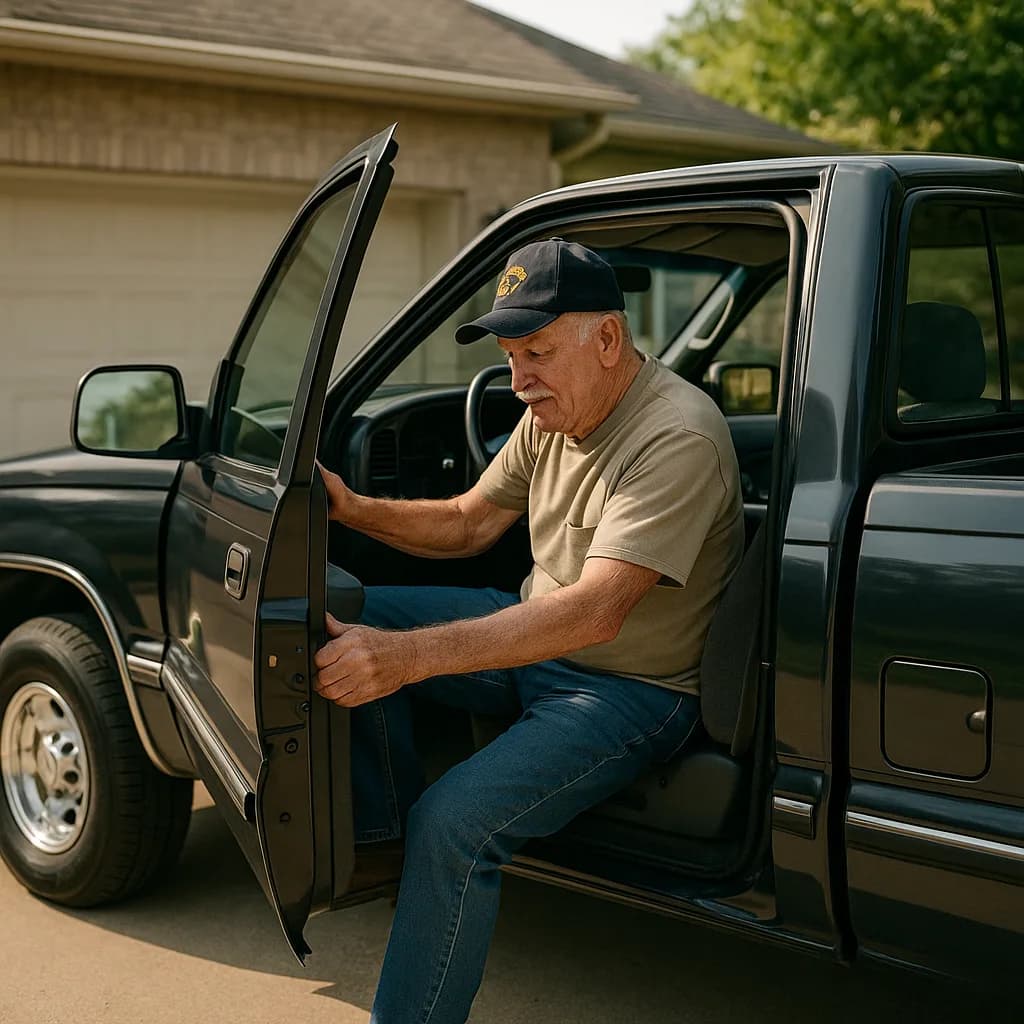
When you request a quote online or by phone, state that you are 55 or older and ask which mature-driver discounts the carrier offers. Name the categories: defensive-driving course completion, multi-policy bundling, low-mileage, and affinity memberships. If you completed an approved defensive-driving course in the past three years, provide the course name and completion date. If you own a home or rent, ask about bundling your auto and homeowners or renters policy.
If you drive fewer than 7,500 miles per year, ask about low-mileage programs. If you are willing to install a usage-based app or device, ask about telematics programs. Carriers writing in Idaho include State Farm, Geico, Progressive, Allstate, American Family, Farmers, Nationwide, USAA, Liberty Mutual, and others. Tier and quote channel matter: preferred-tier carriers like State Farm, USAA, and Amica typically offer the widest discount menus, but they also quote higher base rates for drivers with any violation history. Non-standard carriers like Dairyland, Bristol West, and The General write high-risk profiles but offer fewer discount categories.
Related Articles






When Bundling Saves More Than Shopping the Minimum Alone
Bundling your auto and homeowners or renters policy with the same carrier can lower your combined premium more than shopping auto insurance alone. The trade-off: you lock both policies with one carrier, and if that carrier raises rates at renewal, you face two policy increases instead of one. The right call depends on whether you re-shop both policies every renewal or whether you set and forget.
If you own your home outright and carry only the state minimum auto liability, bundling may not save enough to justify the lock-in. The math works when the combined premium stays below what you would pay for two separate policies from two carriers.
The failure mode: you bundle to save, the carrier raises your auto premium at renewal, and you never re-shop because unbundling feels like more work than it is. The cheapest bundled rate today becomes the most expensive rate in two years if you do not compare it against unbundled quotes every cycle. Idaho's average annual premium was $888.07 per vehicle in 2023, but that average includes drivers of all ages, all tiers, and all coverage levels. Your rate depends on your tier, your record, and whether you asked for every discount you qualify for.
Idaho Senior Renewal Cycle
4 years
At 63, Idaho limits your license renewal cycle to 4 years, down from the standard 8-year option. Vision tests are required every renewal, and in-person DMV visits replace mail or online renewals. The shorter cycle creates more re-shop opportunities, but only if you treat each renewal as a comparison window.
Idaho Transportation Department license renewal rules
Why Low-Mileage Programs Work for Retired Drivers
Low-mileage and usage-based programs reduce your premium when you drive fewer miles or demonstrate safe driving behavior. Retired drivers who no longer commute daily are the natural fit. Low-mileage programs set an annual threshold — typically 7,500 or 10,000 miles — and lower your rate if you stay below it. Usage-based programs monitor braking, acceleration, speed, and time of day through a smartphone app or plug-in device, then adjust your premium based on the data.
The trade-off: low-mileage programs require you to report your odometer reading at renewal, and if you exceed the threshold, your discount disappears. Usage-based programs share your driving data with the carrier, and hard braking or late-night trips can increase your rate instead of lowering it. The right program depends on whether you actually drive fewer miles and whether you are comfortable sharing behavior data in exchange for a potential discount. Carriers writing in Idaho that offer usage-based programs include Progressive, State Farm, Geico, Allstate, and Nationwide. Availability and program names vary; confirm directly during the quote.
What Happens If You Let Your Policy Lapse
A lapse for nonpayment triggers a coverage-termination notice from your carrier and a lapse report to the Idaho Transportation Department. Idaho does not require continuous coverage by statute, but a lapse longer than 30 days can increase your premium when you re-shop, and carriers treat gaps as a risk signal. If you are financing or leasing your vehicle, the lender requires continuous coverage, and a lapse can trigger force-placed insurance at a rate far higher than any policy you would choose yourself.
The reinstatement process depends on why your license was suspended. If your license is valid and you simply let your policy lapse, you buy a new policy and file proof of insurance with the state. The SR-22 filing period in Idaho is 3 years, and the certificate must remain active for the entire period. If your SR-22 lapses, the suspension clock resets.
The cheapest way to avoid a lapse is to set up autopay and monitor your account for failed payments. The second-cheapest way is to switch to a carrier that offers installment plans with lower fees. The most expensive way is to let the policy cancel, pay the reinstatement fee, and re-shop at a higher rate because you now have a lapse on your record. Budget drivers on fixed incomes face this failure mode more often than any other, and the cost of unwinding it exceeds the cost of the missed payment every time.
Compare Carriers in Your Tier and Ask for Every Discount
The next step is to request quotes from at least three carriers writing in your tier. Preferred-tier carriers like State Farm, USAA, and Amica offer the widest discount menus but quote higher base rates for any violation history. Standard-tier carriers like Geico, Progressive, Allstate, and Farmers balance base rates and discount availability. Non-standard carriers like Dairyland, Bristol West, and The General write high-risk profiles but offer fewer discount categories. Your tier depends on your driving record, your credit where lawful, and your claims history.
When you request each quote, ask about defensive-driving discounts, multi-policy bundling, low-mileage programs, and affinity memberships. Provide your defensive-driving course completion date if you finished one in the past three years. State your annual mileage if you drive fewer than 7,500 miles. Ask whether the carrier offers usage-based programs and whether you need to install an app or device. Compare the final quoted premium after all discounts, not the base rate before them. The carrier that quotes lowest before discounts may not quote lowest after you add every category you qualify for.