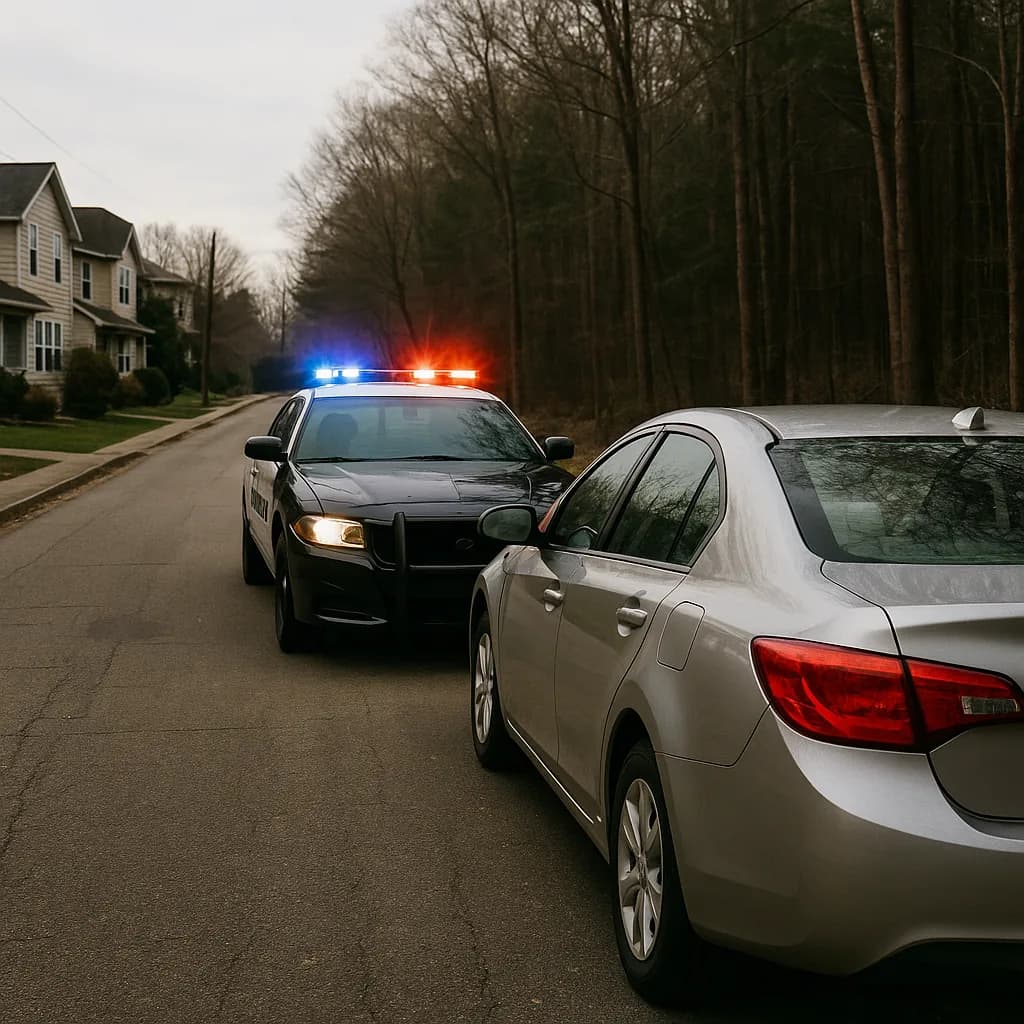
Your Premium Jumped and You Need It Lower
The renewal came in higher after a speeding ticket and nothing else about your driving changed. The carrier re-priced you into a different tier, the surcharge landed, and now you are deciding whether to pay it or shop. Most drivers pay the first renewal without comparing, assume the increase is universal, and lose two or three years of savings they could have captured in the first sixty days.
The ticket stays on your record for a fixed window — typically three years from the conviction date in most states — but the premium itself is not locked. The carrier that priced you higher is not the only carrier pricing that ticket, and the one that penalized you most is rarely the one that prices you best after a violation. The moves that lower cost happen in sequence: re-shop first, then ask about discounts, then time the next re-shop to the date the ticket drops off. Most advice reverses that order and costs you money.
Compare car insurance rates in your state
Get quotes from licensed carriers — no obligation, no spam, results in minutes.
Get Your Free QuoteTicket Surcharge Window
3 years
Most states keep moving violations on your driving record for three years from the conviction date. The surcharge window matches the record window, so your rate drops when the ticket ages off, not when you pay the fine.
The Carrier That Raised You Is Not Your Baseline
Your current carrier re-priced you into a higher tier after the ticket, but that tier placement is not universal. One carrier's preferred tier is another carrier's standard tier, and the carrier that moved you out of preferred may not be the carrier that prices standard-tier drivers most competitively. The ticket itself is the same fact on every application, but the weight each carrier assigns to it varies by their book composition and their appetite for that risk profile right now.
The re-shop step is not about finding a carrier that ignores the ticket. No carrier ignores it. The re-shop step is about finding the carrier whose standard or nonstandard tier prices your current profile — older vehicle, clean record except for this one ticket, liability-only or minimum-plus coverage — more affordably than your current carrier's new tier prices you. That carrier exists, and the gap between them is often larger after a violation than it was before, because tier placement magnifies differences.
Get quotes from at least three carriers in different market tiers: one standard-market carrier, one nonstandard specialist, and one direct writer. The standard-market carrier may still write you if the ticket is minor and the rest of your profile is clean. The nonstandard specialist prices drivers with violations as their core book, so their standard tier is your current carrier's nonstandard tier. The direct writer has lower overhead and may price the same risk lower. You are comparing tier placements, not just premiums.
The carrier that priced you best before the ticket is rarely the carrier that prices you best after. Re-shopping is not disloyalty; it is the mechanic that captures the savings your current carrier will not offer you.
Discounts That Stack After a Violation

Defensive driving course completion is the most direct post-ticket discount, and many states mandate that carriers offer it. Confirm with your carrier or your quotes whether completion before binding the policy triggers the credit immediately, or whether you need to complete it and submit proof within a set window after binding. Some carriers apply it at the next renewal; others apply it mid-term if you submit proof within thirty days of the ticket conviction.
Bundling your auto policy with renters or homeowners, setting up autopay and paperless billing, and enrolling in a telematics or mileage-tracking program all stack independently of your violation history. A ticket disqualifies you from safe-driver or claims-free discounts, but it does not disqualify you from discounts tied to payment method, policy packaging, or monitored driving behavior going forward. If you drive fewer miles than the average commuter or your telematics score is strong, that monitored behavior can offset part of the ticket surcharge within the first policy term.
Related Articles






The Coverage Decision and the Deductible Trade-Off
If you carry comprehensive and collision on an older vehicle, the ticket is the moment to re-run the coverage math. Collision coverage pays to repair or replace your vehicle after an at-fault accident, minus your deductible. Comprehensive covers theft, weather, and animal strikes. Both are optional if you own the vehicle outright, and both cost more after a ticket because the carrier is re-pricing your likelihood of filing a claim.
The rule of thumb: if your vehicle is worth less than ten times your annual collision and comprehensive premium, or if you could replace it out of pocket for less than the cost of two years of those coverages, dropping them is often the rational call. The ticket raised the premium, which lowers the threshold where coverage stops paying for itself. Run the math with your actual vehicle value and your actual quoted premium.
If you keep collision and comprehensive, raising your deductible from $500 to $1,000 lowers your premium. The trade-off: you pay more out of pocket if you file a claim, in exchange for a lower monthly or annual cost. The right choice depends on what you could actually pay tomorrow if you hit something. A higher deductible is a bet that you will not file a claim this term, and that bet pays off more often than not for drivers with one ticket and no other violations.
Liability coverage is not optional. Your state sets a minimum, and dropping below it is illegal and leaves you personally liable for damages you cause. If you are trimming cost, trim the optional coverages first, and raise deductibles on the coverages you keep. Liability is the last line to touch, and even then the decision is about carrying the state minimum versus carrying higher limits, not about dropping it entirely.
Carriers Writing Nonstandard
25
Nonstandard and high-risk specialist carriers price drivers with violations as their primary book, not as exceptions. Comparing at least one nonstandard quote against your current standard-market renewal is the re-shop step most drivers skip and the one that saves the most after a ticket.
When the Ticket Drops Off and What Happens Next
The ticket stays on your motor vehicle record for three years in most states, measured from the conviction date, not the date of the violation or the date you paid the fine. Your carrier pulls your record at renewal, and the surcharge drops off automatically when the ticket ages past the lookback window. You do not need to request the removal, but you do need to confirm that the renewal premium reflects it.
Re-shop again when the ticket drops off. The carrier that priced you best with the ticket may not be the carrier that prices you best without it. Your risk profile changed again, and the tier placement that made sense two years ago may not make sense now. The second re-shop is the one most drivers skip because the current premium feels tolerable, but tolerable is not the same as competitive, and the gap between them compounds every year you stay.
Compare Carriers Now and Again in Three Years
Get quotes from at least three carriers in different market tiers within the next two weeks. One standard-market carrier, one nonstandard specialist, one direct writer. Ask each about defensive driving credit, telematics programs, and bundling discounts. Confirm the coverage structure matches what you actually need: liability-only if the vehicle is paid off and older, liability plus uninsured motorist if you are keeping collision and comprehensive. Bind the policy that prices your current profile most affordably, and set a calendar reminder for thirty days before the ticket's three-year anniversary to re-shop again. The first re-shop captures the immediate savings; the second re-shop captures the savings when the ticket drops off. Both matter, and both require you to compare, not assume.