
When the Discount Doesn't Post
You completed a defensive driving course expecting a premium reduction, submitted the certificate to your insurer, and the next bill arrived unchanged. The course was state-approved, you followed the instructions, and the discount still didn't appear. This happens often enough that it's worth understanding the mechanics before you pay for another course or assume the savings will arrive eventually.
California law allows insurers to offer defensive driving discounts but does not require them. Each carrier maintains its own approved-provider list, its own eligibility rules, and its own verification process. Completion alone does not trigger the discount. The course provider must be on your specific carrier's approved list, the certificate must reach the right department, and in most cases you need to confirm manually that the discount posted to your policy.
Compare car insurance rates in your state
Get quotes from licensed carriers — no obligation, no spam, results in minutes.
Get Your Free QuoteLicensed Drivers California
27,632,103
With over 27 million licensed drivers in California, defensive driving courses are a common rate-reduction strategy. But carrier approval lists vary, and a course approved by one insurer may not qualify with another.
FHWA Highway Statistics 2022
What California Requires of Defensive Driving Courses
California does not mandate a single statewide defensive driving curriculum for insurance discounts. The DMV approves traffic violator schools for ticket dismissal and point masking, but insurance discount courses follow a different approval path. Insurers set their own standards and approve providers individually.
Most carriers require courses that meet minimum hour thresholds, cover specific topics like collision avoidance and hazard recognition, and come from providers the insurer has vetted. Online courses are widely accepted, but the carrier decides which platforms qualify. A course approved for one insurer's discount program may be rejected by another, even if both courses are identical in content and length.
Before you pay for a course, confirm with your carrier which providers they accept. Call the customer service line or check your carrier's website for an approved-provider list. Do not assume a course marketed as 'California-approved' will work for your specific insurer. The approval that matters is your carrier's, not the state's.
The course certificate must reach your carrier's underwriting or discount-verification department, not just customer service. Emailing a certificate to a general inbox often results in no action.
How to Confirm the Discount Posts
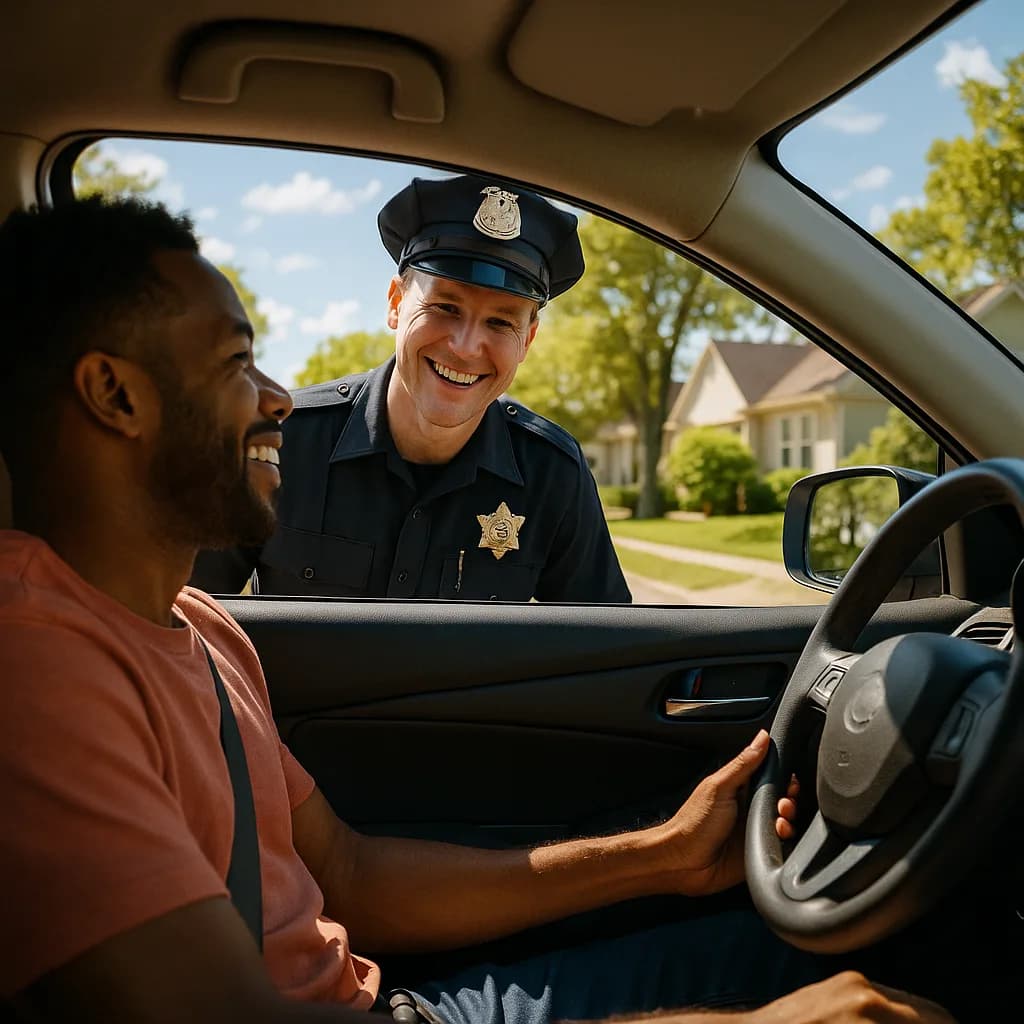
After you complete the course, request a certificate from the provider. Most online platforms issue certificates immediately upon passing the final exam. Submit the certificate to your carrier using the method they specify: upload through your online account, email to a specific address, or mail to the underwriting department. Generic customer-service channels often route certificates incorrectly, delaying processing or losing the submission entirely.
Wait one billing cycle, then check your policy documents or online account for the discount line item. If it does not appear, call your carrier and ask the representative to confirm whether the certificate was received and processed. Request the specific discount amount and the effective date. If the discount was applied retroactively, confirm that a credit will appear on your next bill. If the certificate was not received, resubmit it and ask for a confirmation number or case reference.
Related Articles






When the Carrier Rejects the Course
If your carrier rejects the course, the rejection usually falls into one of three categories: the provider is not on the approved list, the course does not meet the carrier's hour or content requirements, or the certificate format is incorrect. Ask the representative which category applies and request the approved-provider list if you plan to retake a course.
Some carriers require courses of at least four hours; others accept shorter programs. Some require in-person attendance; others accept online completion. A few carriers limit discounts to drivers over a certain age or restrict eligibility to those without recent violations. These rules are carrier-specific and change periodically. The only reliable source for current requirements is your carrier's underwriting department.
If you completed a course that does not qualify, you will need to take a different course from an approved provider to earn the discount. The first course fee is not refundable, and the discount does not apply retroactively to the period before the approved course was completed. This is why confirming provider approval before enrollment is the critical step.
How Long the Discount Lasts
Most California carriers apply defensive driving discounts for three years from the course completion date. After three years, the discount expires unless you complete another approved course. Some carriers send renewal reminders; many do not. If your premium increases at renewal and you have not had a claim or violation, check whether the defensive driving discount expired.
The discount does not renew automatically. You must complete a new course and submit a new certificate to maintain the rate reduction. If you switch carriers during the three-year period, the new carrier may or may not honor the course you completed. Some accept certificates from their approved providers regardless of when you took the course; others require a recent completion date or reject courses taken under a different carrier's program.
Average Annual Auto Premium California
Defensive driving discounts typically reduce premiums by a modest percentage, but the absolute dollar savings depend on your base rate and the carrier's discount structure.
NAIC Auto Insurance Database Report 2023
What Happens When You Switch Carriers
When you switch carriers, ask the new insurer during the quoting process whether they offer a defensive driving discount and whether they will accept the course you already completed. Provide the certificate upfront rather than waiting for the policy to issue. If the new carrier does not accept your existing course, ask whether completing one of their approved courses would lower your quote enough to justify the course fee before you bind coverage.
Some carriers apply the discount immediately upon proof of completion; others require the course to have been completed within the past year or within the current policy term. If your certificate is older than the new carrier's eligibility window, you may need to retake a course to qualify. Weigh the course fee against the projected savings over the policy term.
Compare Carriers With the Discount Applied
Defensive driving discounts are one of many factors that determine your final premium. A carrier offering a larger discount may still quote higher overall if their base rate for your profile is elevated. When comparing quotes, ask each carrier to apply all discounts you qualify for, including defensive driving, and compare the final monthly or annual premium, not the discount percentage.
Get quotes from at least three carriers. Provide the same coverage limits, deductibles, and driver information to each. If you have already completed an approved course, submit the certificate during the quoting process so the discount is reflected in the initial quote. If you have not completed a course, ask each carrier for quotes with and without the defensive driving discount, then decide whether the savings justify the course fee. The discount that matters is the one that lowers your actual bill, not the one marketed most prominently.